timed out / Products / Personal armorum tutela / PROMPTU Coverall


-
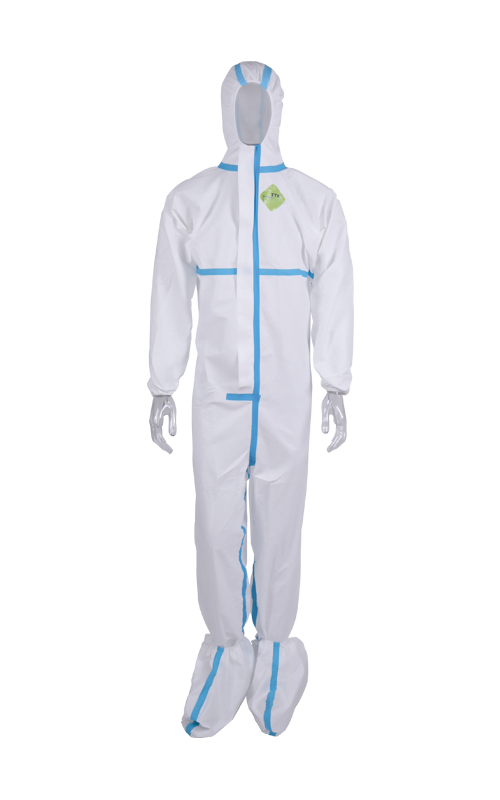
PP + PE Non texta Material PROMPTU Coverall Cum Tape TTK-A01
PROMPTU Coverall Cum Tape
-
-2-1.png "PET + PE Non texta Material PROMPTU Coverall Cum Tape TTK-A01")
PET + PE Non texta Material PROMPTU Coverall Cum Tape TTK-A01
PROMPTU Coverall Cum Tape
-
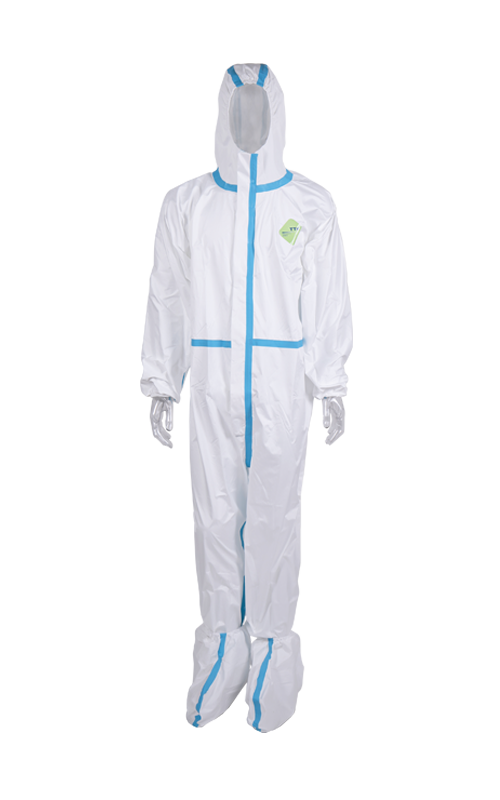
TEXTUS Material + PTFE Membranae Disposable Coverall Cum Tape TTK-A03
PROMPTU Coverall Cum Tape
-
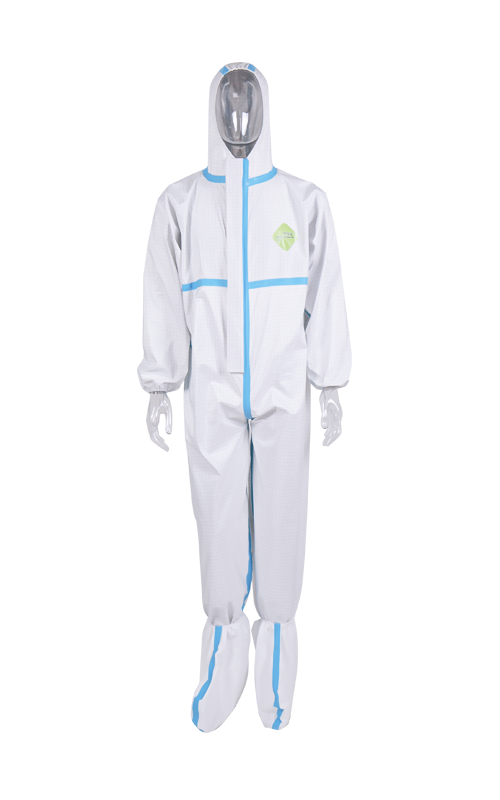
Materiam texta + PTFE Membrana + Tricot Disposable Coverall Cum Tape TTK-A04
PROMPTU Coverall Cum Tape
-
-5.png "Materiam texta + Obice membrana membrana + Tricot Disposable Coverall Cum Tape TTK-A04")
Materiam texta + Obice membrana membrana + Tricot Disposable Coverall Cum Tape TTK-A04
PROMPTU Coverall Cum Tape
-
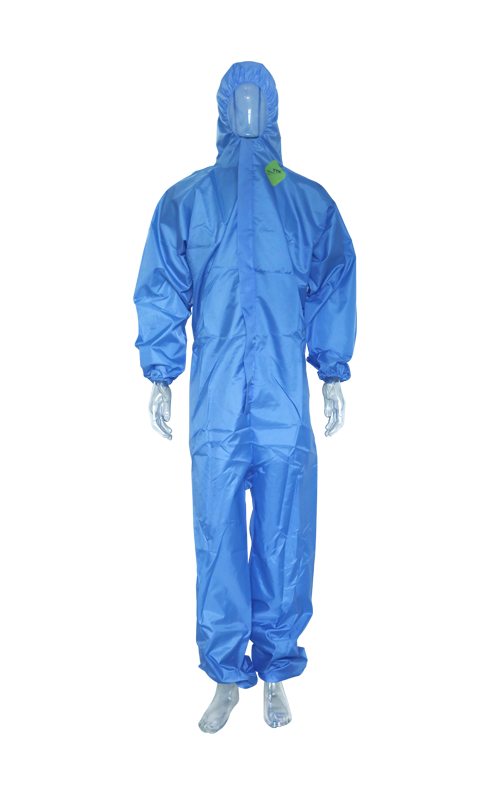
210TWoven Coating Protective Material-hyacintho PROMPTU Coverall Sine Tape TTK- B01
PROMPTU Coverall Sine Tape
-
.png "210TWoven Coating Protective Material-album PROMPTU Coverall Sine Tape TTK- B01")
210TWoven Coating Protective Material-album PROMPTU Coverall Sine Tape TTK- B01
PROMPTU Coverall Sine Tape
-
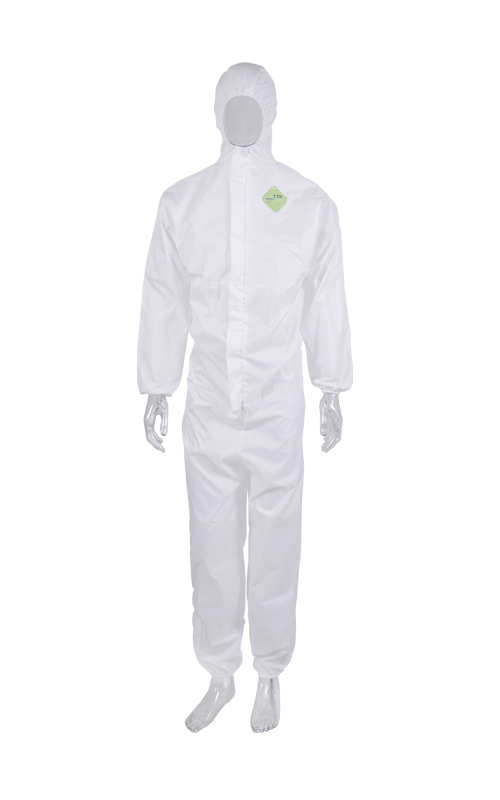
SMS Non texta Material PROMPTU Coverall Sine Tape TTK-B02
PROMPTU Coverall Sine Tape
-
-1.png "PP+PE Non-texta Materia PROMPTU Coverall Sine Tape TTK-B03")
PP+PE Non-texta Materia PROMPTU Coverall Sine Tape TTK-B03
PROMPTU Coverall Sine Tape
-
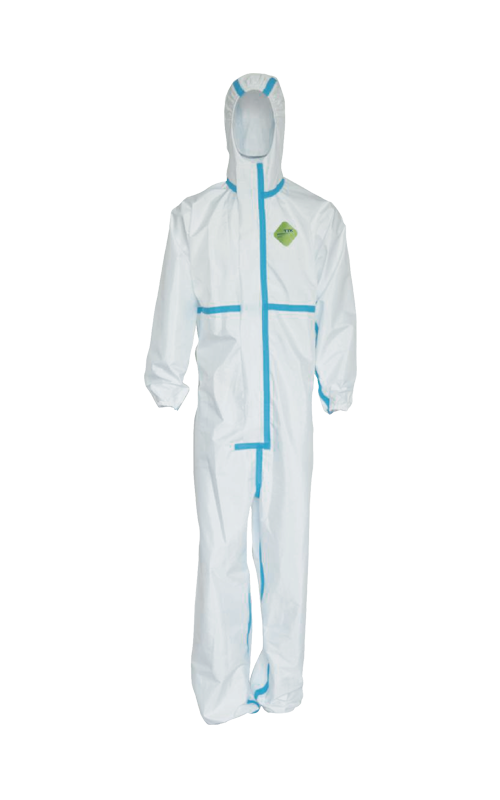
PP Non texta Material + Obice membrana membrana PROMPTU Coverall Cum Tape TTK-A01
PROMPTU Coverall Cum Tape
-
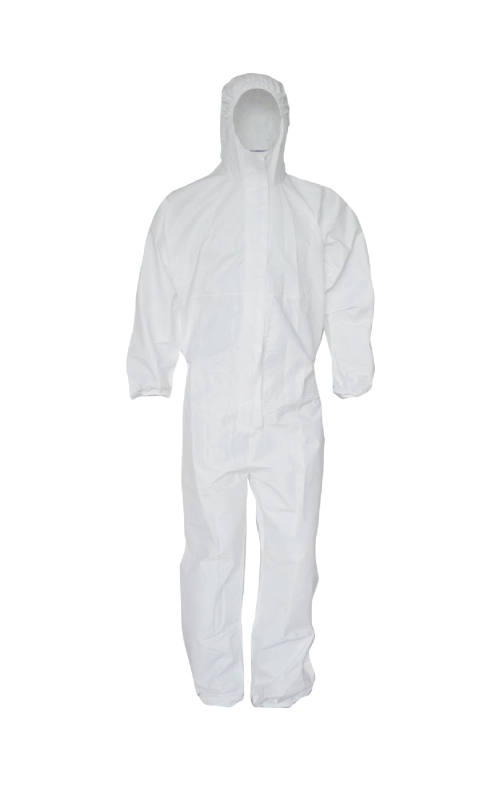
PET+PE Non texta Material PROMPTU Coverall Sine Tape TTK-B03
PROMPTU Coverall Sine Tape
Wujiang TTK®
Textile&Finishing
Co., Ltd.
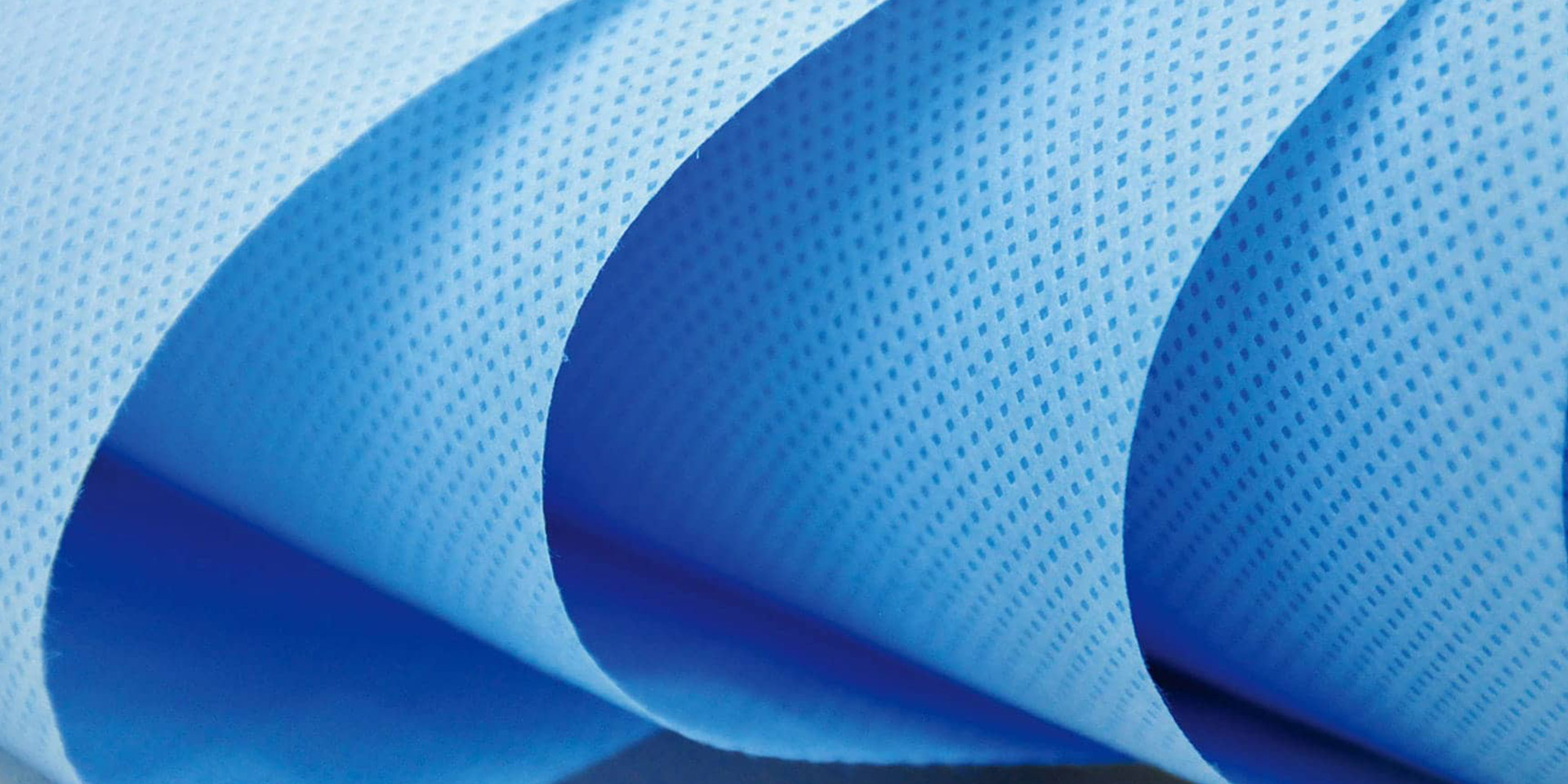
Wujiang TTK@ Textile&Finishing Co., Ltd sit amet Sinis protection suit manufacturers et non solum togae chirurgicam officinam, transiens ISO9001: 200 qualitas administrationis systematis SGS certificata est. Societas fabricae texendi officinas, officinas efficiens, officinas, laminas et compages officinas, translatio vestis et cylindrus tractor membrana summus finis membranas officinas et officinas typographicas sibi subordinatas habet. Societas etiam suum commercium Dept habet..
de "

-
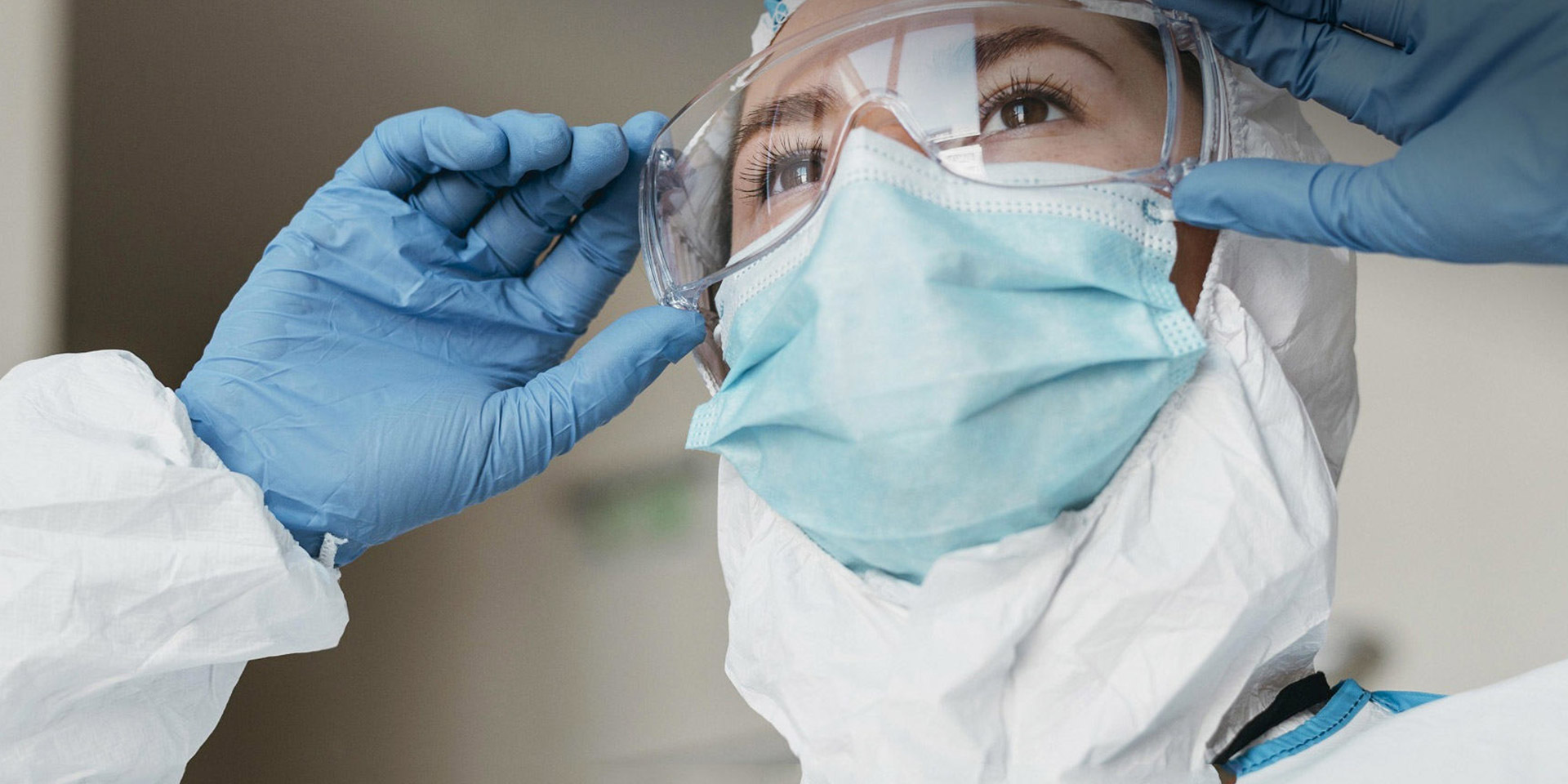
Nostra professio Consuetudinem tutela gow, Societas fabricae texendi officinas, officinas efficiens, officinas, laminationem et compagem officinam habet, translatio vestis et tractor cylindrus efficiens membranam summum finem officinam et officinam typographicam sibi subordinatam. Societas etiam suum commercium habet Dept., Sample Dept., Investigationis et Inquisitionis Progressus Dept. et Test Centrum, quod unum sistendum servitium formans pro textilibus productis.
TTK est investigatio & progressus inceptis quae in functionibus anti-microbialibus pro 2 decenniis versatus est. Initium fuit investigationi et evolutioni fabricarum militarium altarum, antibacterial materiae medicinae et fabricarum civilium functionis. -
Anno 2003, societas in supplementum rudium textilium ministravit et bona complevit ad lites in pugnando SARS adhibita, et inde ex quo unam ex suis materias medicinae altas technicas spectavit. directiones ad inquisitionem & progressionem. Respectu COVID-19 praevalente, inceptum quam primum elaboravit fabricae materiae non textae + PE membranam antibacterial valde amet compositam productam) aptam ad dispositionem medicinae rectae productionis tutelae aptae et productionis novarum disponibilis ad sectam medicinae tutelam ordinatam. facta de TTK-PE arbitrio altiore toga. Novus productus praestare potest antibacterial perficientur et respirabilitatem sectae tutelae et altae vires fabricae non textae.
honores
-
Explore more
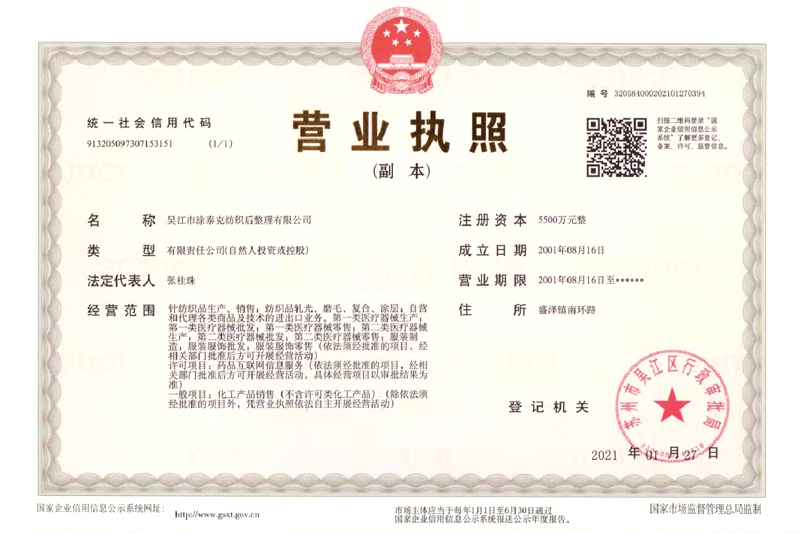
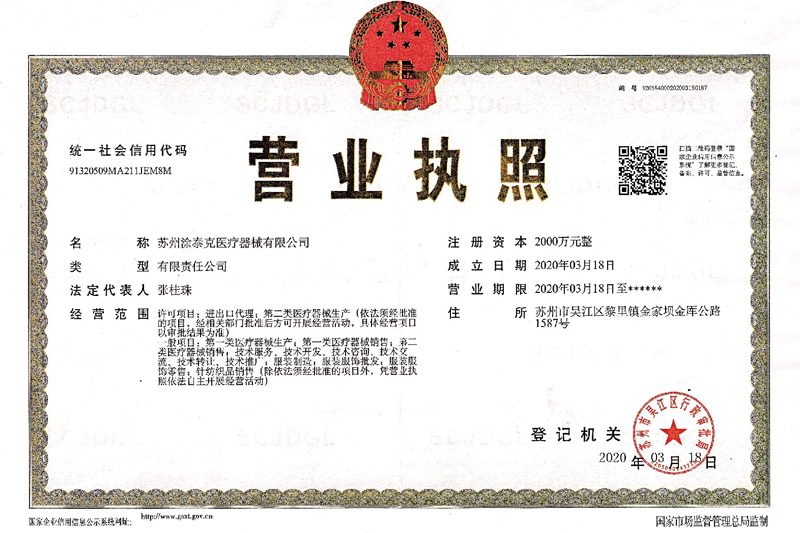
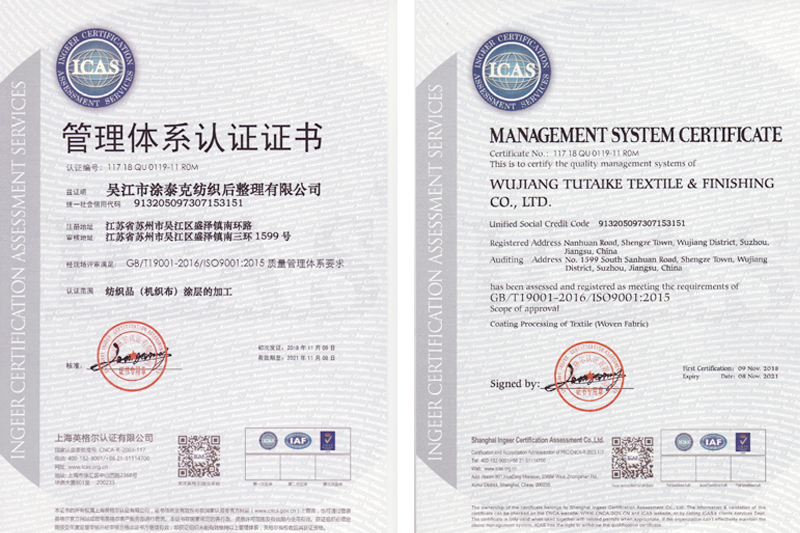
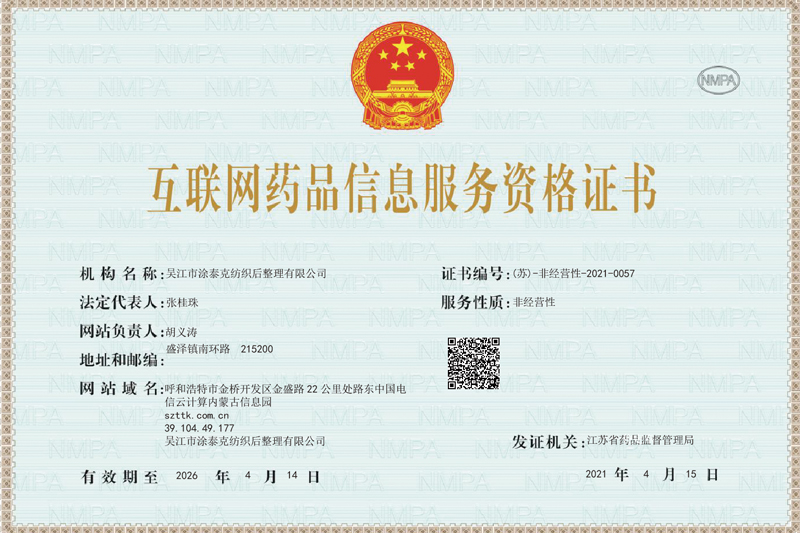
Nos inceptis textilibus fabricandis maxime versamur in venditionibus et fabricandis confectis textilibus, cum auto-currendo importare et exportare ius, transeuntes ISO9001:200 systema qualitatis administrationis per SGS certificatum.
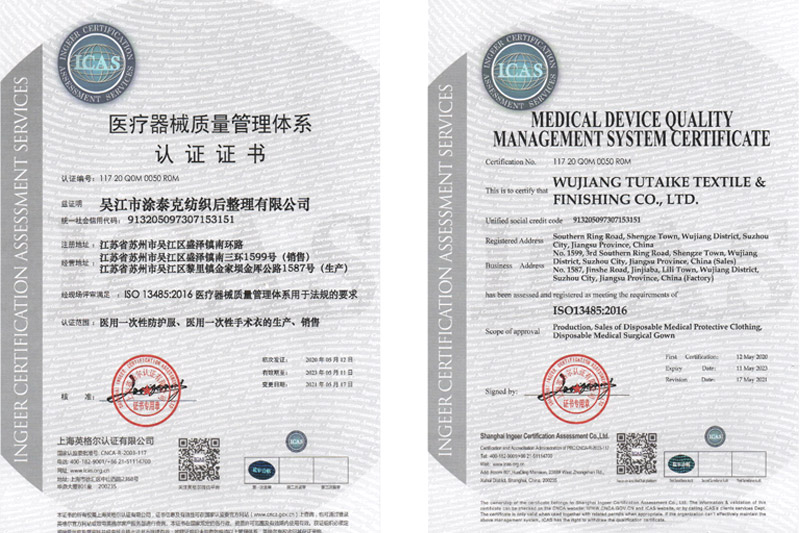
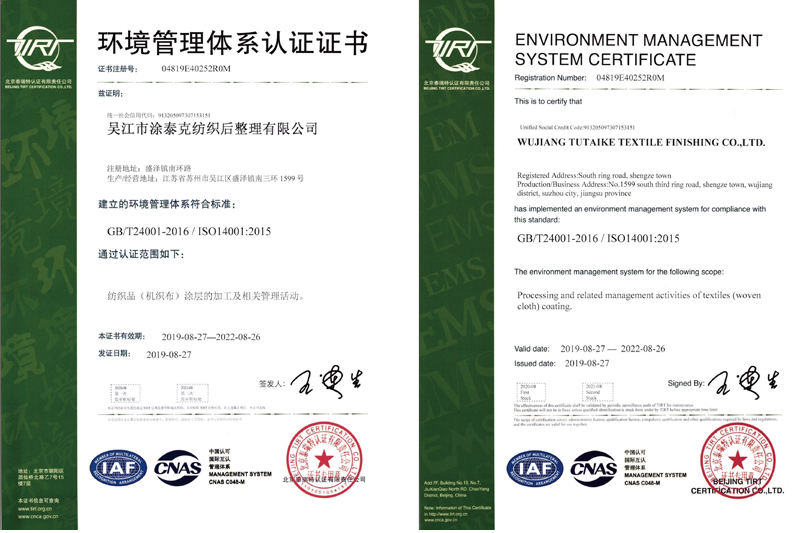
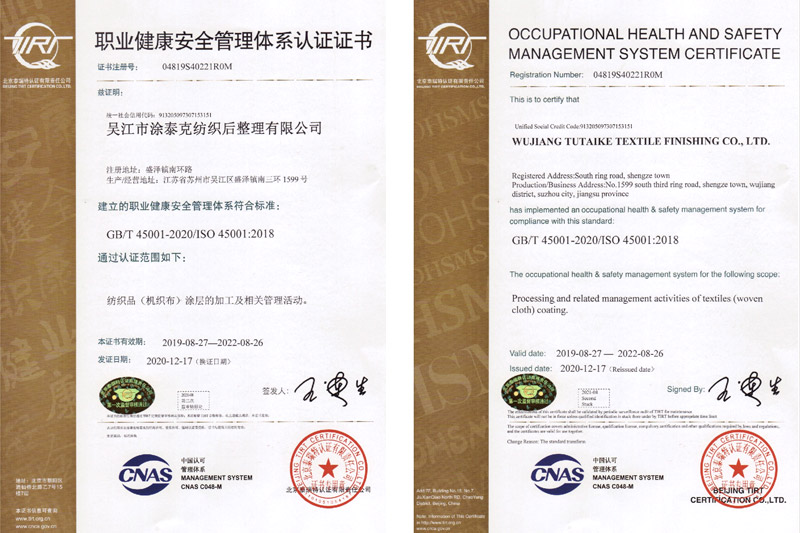
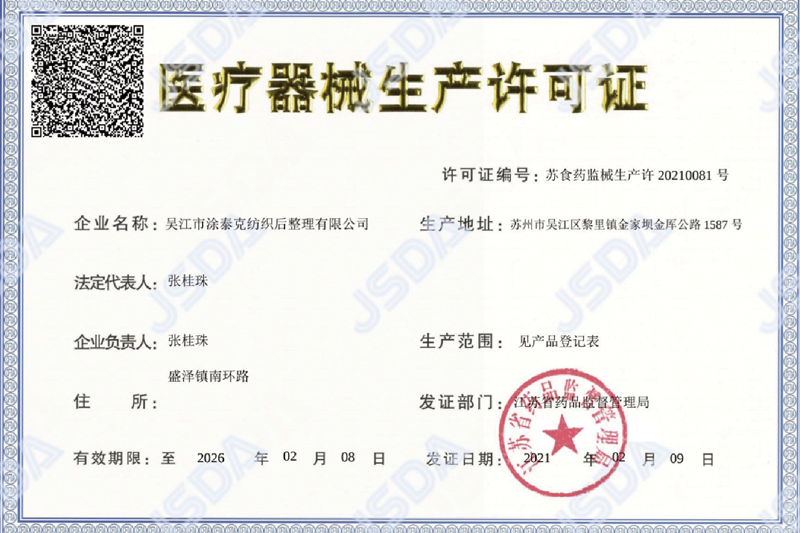
Quod nos ponat Praeter
-

Officina normatum
ISO9001 2008 Industria normatum et magnae capacitatis machinae accessoriae artifices, qualitas clientium praestatur et tempus traditio clientium praestatur.
-

Urbanus Equipment
Internationalis instrumenti processus urbani, superioris facultatis consilia, et exquisita technologiae fabricandi, clientium certitudinem quolibet tempore prosequens.
-

Lab Usus
Societas progressum laboratorium ad experientiam in-situm pro clientibus dubitantibus praebet, te sine paenitentiis electionem facere sinit.
-

Fortis Service Team
Ut faciliorem redderet venditionem, venditionem et post-venditionem servitii clientium per patriam, societas turmas professionales statuit, ubicumque es, parte tua sumus!
Omnes News
News
-
-1.png) Industria News
Industria NewsQuid facit SMS nonwoven ensure in tutela effectum de Sexto togis post disinfection?
Medical Donec missionibus, SMS nonwoven anti-virus primi-gradu Stringa togis aedificare salute obice pro medical virgam cum suis perficientur. Quar
-
 Industria News
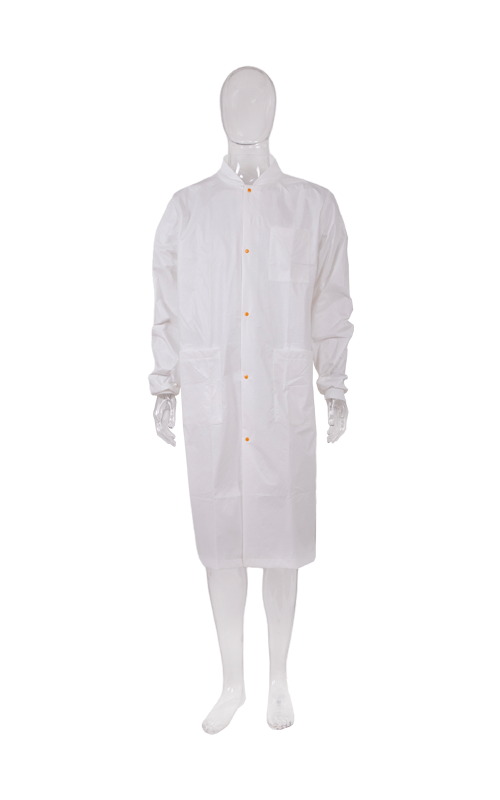
Ut non-textilia textilia et seamless tapes aedificare fortis anti-virus defensionem linea pro visitor tunicas?
In medical environments, in periculo virus transmissio semper existit. Ut an maximus tutela apparatu, in anti-virus perficientur medicinae disposue
-
 Industria News
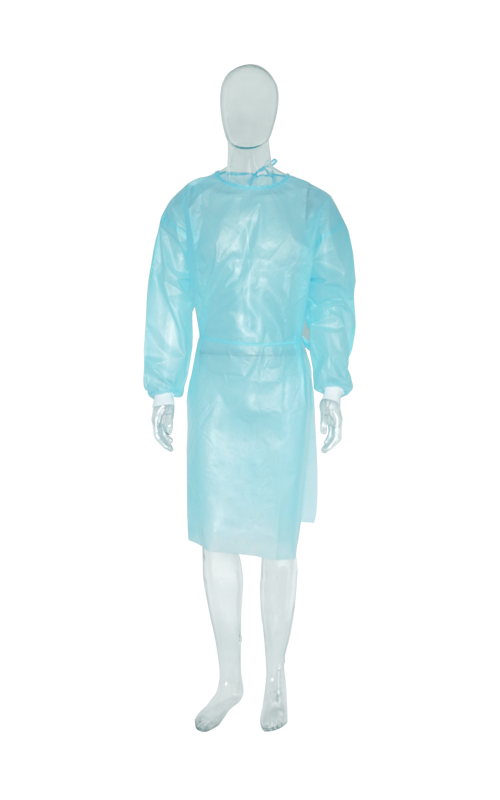
Quid est Lightweight Solatus Anti-Virus IMPERVIUS Primo-Level Stringa Togenta Waterproof?
In Medical Cura et Epidemiam praeventionis opus, quod momenti de Lightweight Solatus Anti-Virus IMPERVIUS Primo-Level Stringa togis nutrientibus to
-
 Industria News
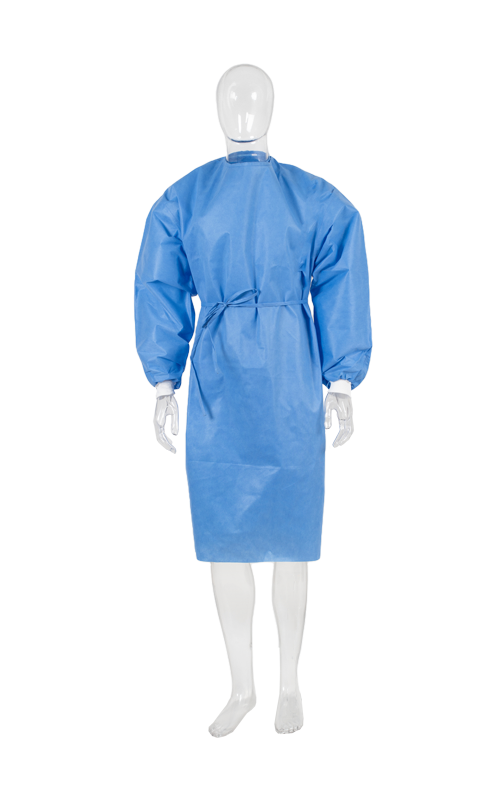
Quid est Watplproof SMS nonwoven fabricae effective defendat contra virus tumultus?
In agro medicinae praesidium, IMPERVIUS SMS nonwoven anti-virus tres-campester ultricies togis habere vitalis missionem, et core anti-virus mechani
-
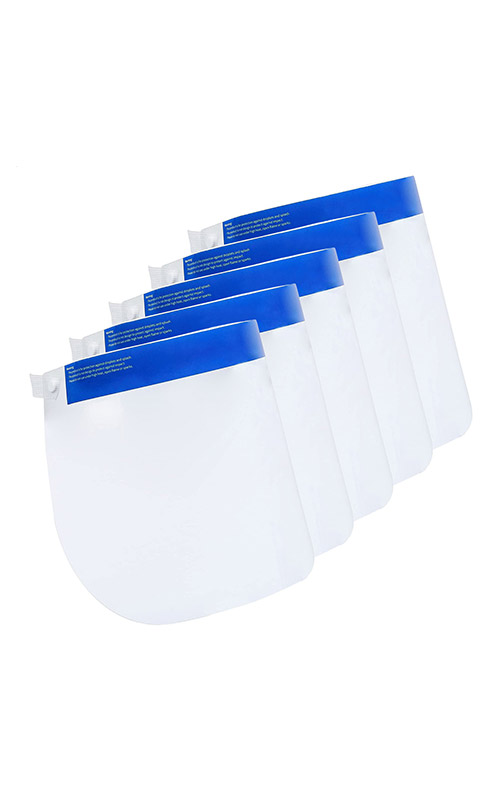 Industria News
Quid facit Nano-coating amplio tutela perficientur medicinae transparent tutela personas?
In agro medicinae tutela, medicinae transparent tutela personas sunt clavem linea defensionis ad obstructionum droplets et aerosols, et perficientu
Industria scientia de PROMPTU Coverall
What are the key features to consider when selecting a Disposable Protection Coverall for specific applications?
Material Composition: The material used in manufacturing the Disposable Protection Coverall is of utmost importance. It should be durable, tear-resistant, and provide an effective barrier against potential hazards. Common materials include polypropylene, microporous film, and SMS (spunbond-meltblown-spunbond) fabric. Each material has its advantages, such as breathability, liquid resistance, or protection against particulates. The choice of material will depend on the specific application and the types of hazards the wearer may encounter.
Protection Level: Different applications require different levels of protection. For example, in healthcare settings, protection against biological hazards such as bloodborne pathogens and infectious agents is crucial. In industrial settings, protection against chemicals, liquids, and particulates might be necessary. It is essential to choose a coverall that meets the relevant safety standards and offers the appropriate level of protection for the specific task.
Design and Coverage: The design of the Disposable Protection Coverall can impact its effectiveness. Look for coveralls with a full-body coverage that includes long sleeves, hood or collar, and elasticized cuffs and ankles to prevent potential exposure. A well-designed coverall should also allow for ease of movement without compromising protection.
Breathability and Comfort: Disposable Protection Coveralls are often worn for extended periods, so comfort is essential. Adequate breathability helps reduce heat stress and discomfort during use. Some coveralls come with breathable panels or ventilation features, which are beneficial in hot and humid environments.
Seams and Closures: Pay attention to the seams and closures of the coverall. Strongly sealed seams ensure there are no entry points for contaminants. Zipper closures with flaps are common and provide an added layer of protection. Additionally, some coveralls feature elastic bands or adhesive strips to create a secure seal around the wrists, ankles, and face.
Sizing and Fit: Choosing the correct size is crucial for the coverall to function as intended. An improper fit can lead to reduced protection and discomfort for the wearer. Manufacturers often provide sizing guidelines, and it's essential to follow them closely. Some coveralls come in multiple sizes or offer adjustable features to accommodate various body types.
Certifications and Compliance: Ensure that the Disposable Protection Coverall meets relevant industry standards and certifications. Depending on the application, there may be specific regulatory requirements that the coverall must comply with to be deemed suitable for use.
Disposable vs. Reusable: Consider whether disposable or reusable coveralls are more appropriate for the specific application. Disposable coveralls are typically more convenient and eliminate the need for decontamination and laundering. On the other hand, reusable coveralls can be more cost-effective and environmentally friendly if they are properly cleaned and maintained.
What are the typical materials used in manufacturing Disposable Protection Coveralls?
Polypropylene (PP): Polypropylene is a synthetic thermoplastic polymer widely used in the production of Disposable Protection Coveralls. It is lightweight, breathable, and provides a basic level of protection against dust, dirt, and some non-hazardous liquids. PP coveralls are cost-effective and suitable for applications where minimal protection is required, such as in non-hazardous environments or basic clean-up tasks.
Microporous Film: Microporous film materials are composed of a breathable membrane with tiny pores that allow air and moisture vapor to pass through while blocking liquids and particulates. These coveralls offer better protection against liquids, such as water and certain chemicals. They are commonly used in applications where there is a risk of splashes or liquid exposure, such as in laboratories or industrial settings.
SMS (Spunbond-Meltblown-Spunbond) Fabric: SMS fabric is a combination of three layers - a spunbond polypropylene layer, a meltblown polypropylene layer, and another spunbond polypropylene layer. The meltblown layer provides enhanced filtration and barrier properties, making SMS coveralls effective against airborne particles and some liquids. SMS coveralls strike a balance between breathability and protection and are commonly used in healthcare settings, cleanrooms, and various industrial applications.
Tyvek®: Tyvek® is a brand of flash-spun high-density polyethylene fibers. It is lightweight, durable, and provides excellent protection against particles, biological hazards, and many chemicals. Tyvek® coveralls are commonly used in cleanrooms, laboratories, pharmaceutical manufacturing, and asbestos abatement, among other applications.
Polyethylene (PE): Polyethylene is a plastic material used in manufacturing Disposable Protection Coveralls designed primarily for protection against liquids and water-based chemicals. PE coveralls are typically more economical and less breathable compared to other materials. They are commonly used in applications where liquid splashes or sprays are a concern, such as in agriculture, food processing, and general industrial tasks.
CPE (Chlorinated Polyethylene): CPE is a type of thermoplastic elastomer with excellent resistance to chemicals and fluids. CPE coveralls are often used in situations where resistance to a broad range of chemicals is essential, such as in chemical handling and hazardous materials cleanup.
Nuntius Us
Nunc!
-
Get in Touch
400-600-1771
[email protected] -
Generalis procurator
+86-0512-63522565
[email protected] -
Oratio
1599 Meridionalis Tertius Orbis Road, Shengze Urbs, Wujiang urbs, Jiangsu, China
Copyright © Wujiang TTK @ rhoncus & Finishing Co., Ltd. All rights reserved.  OEM sola toga non chirurgicam manufacturers
Get in Touch
-
Get in Touch
400-600-1771
[email protected] -
Generalis procurator
+86-0512-63522565
[email protected] -
Oratio
1599 Meridionalis Tertius Orbis Road, Shengze Urbs, Wujiang urbs, Jiangsu, China